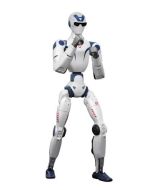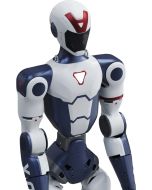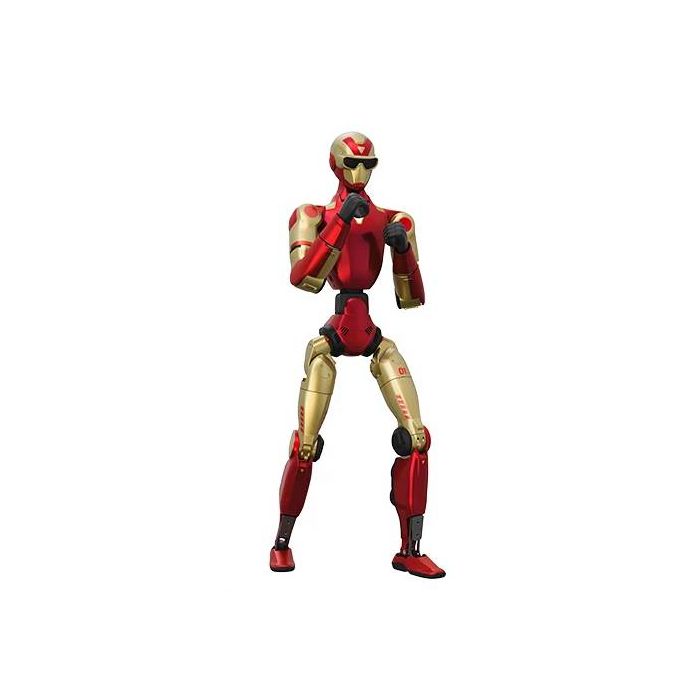

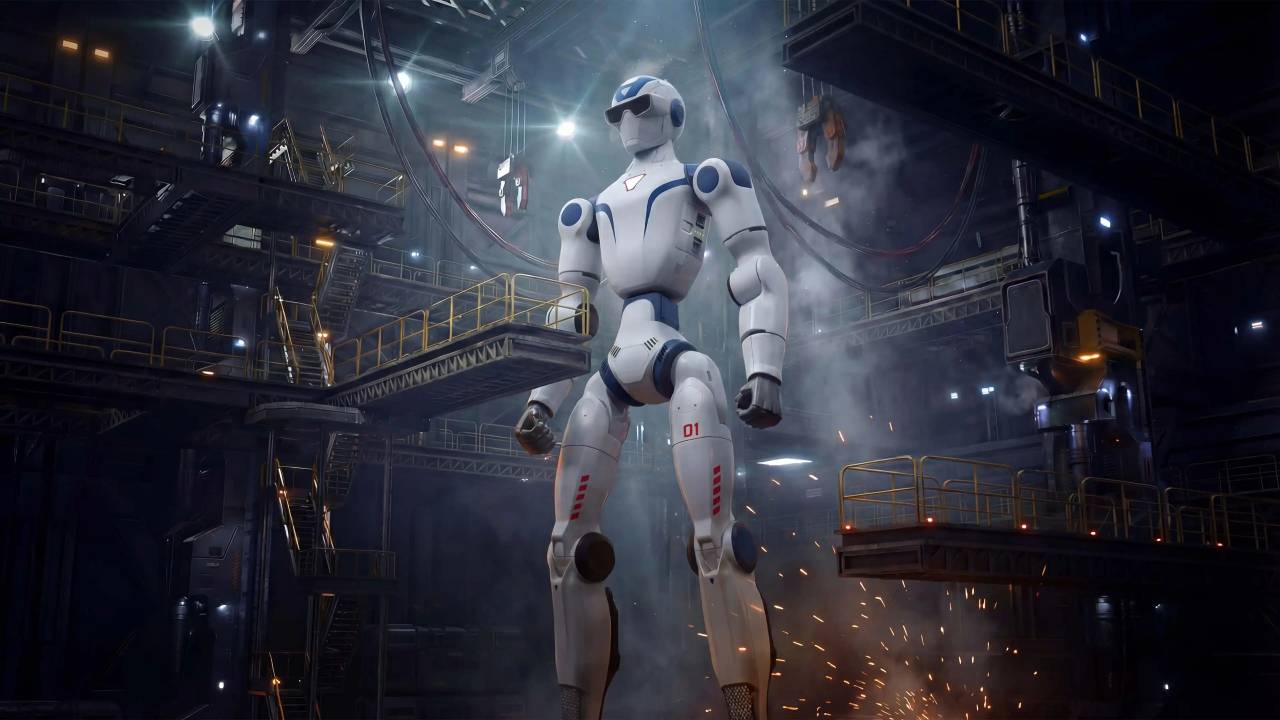
The Unitree R1 Humanoid Robot adds full 26 degrees of freedom -- including a 2-DOF waist and 2-DOF head -- plus a binocular depth camera to Unitree's ultra-lightweight platform. At approximately 29kg and 1230×357×190mm, it delivers enhanced perception and posture control for research, demonstrations, and dynamic applications while remaining ready out of the box.
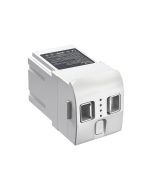
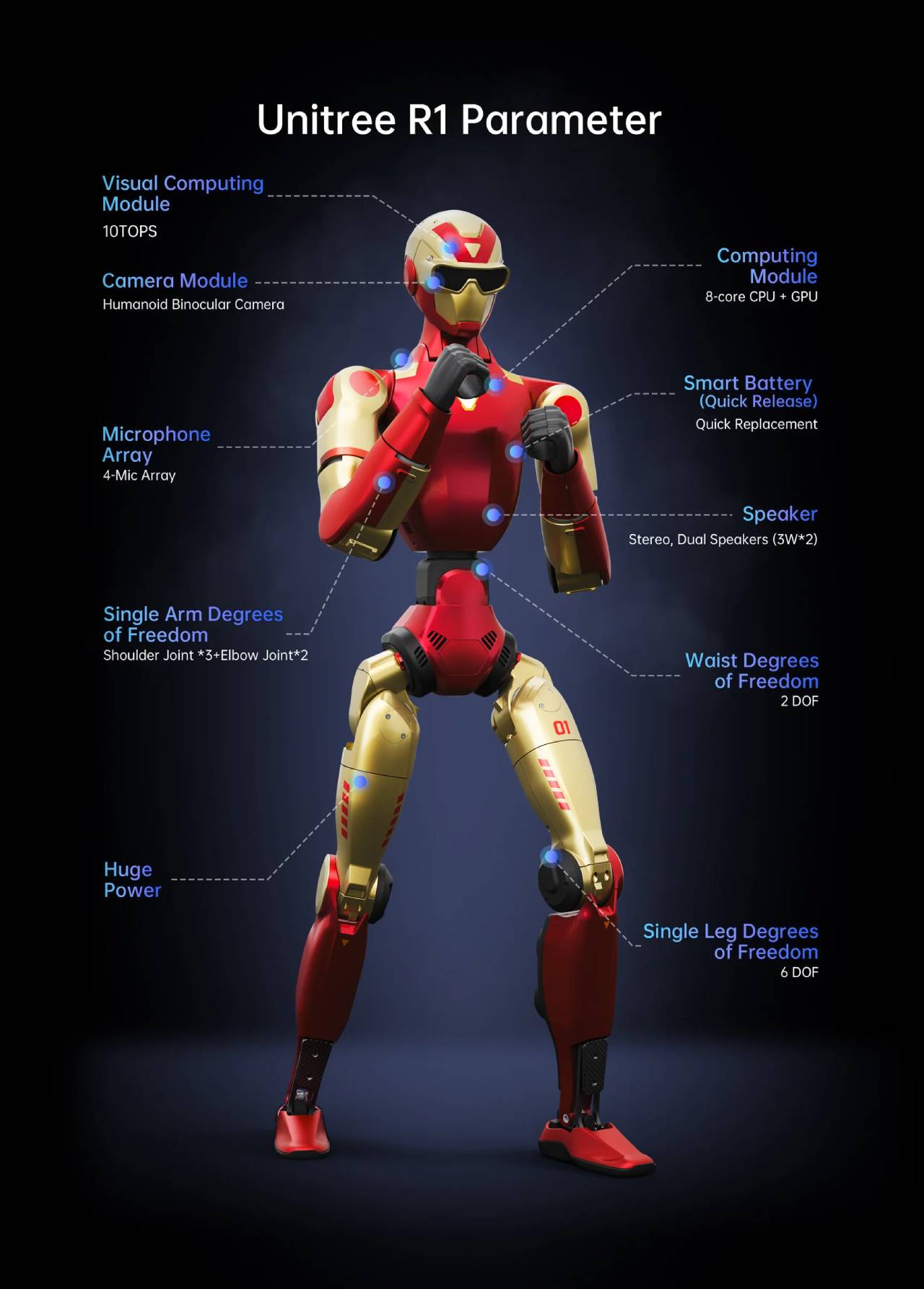
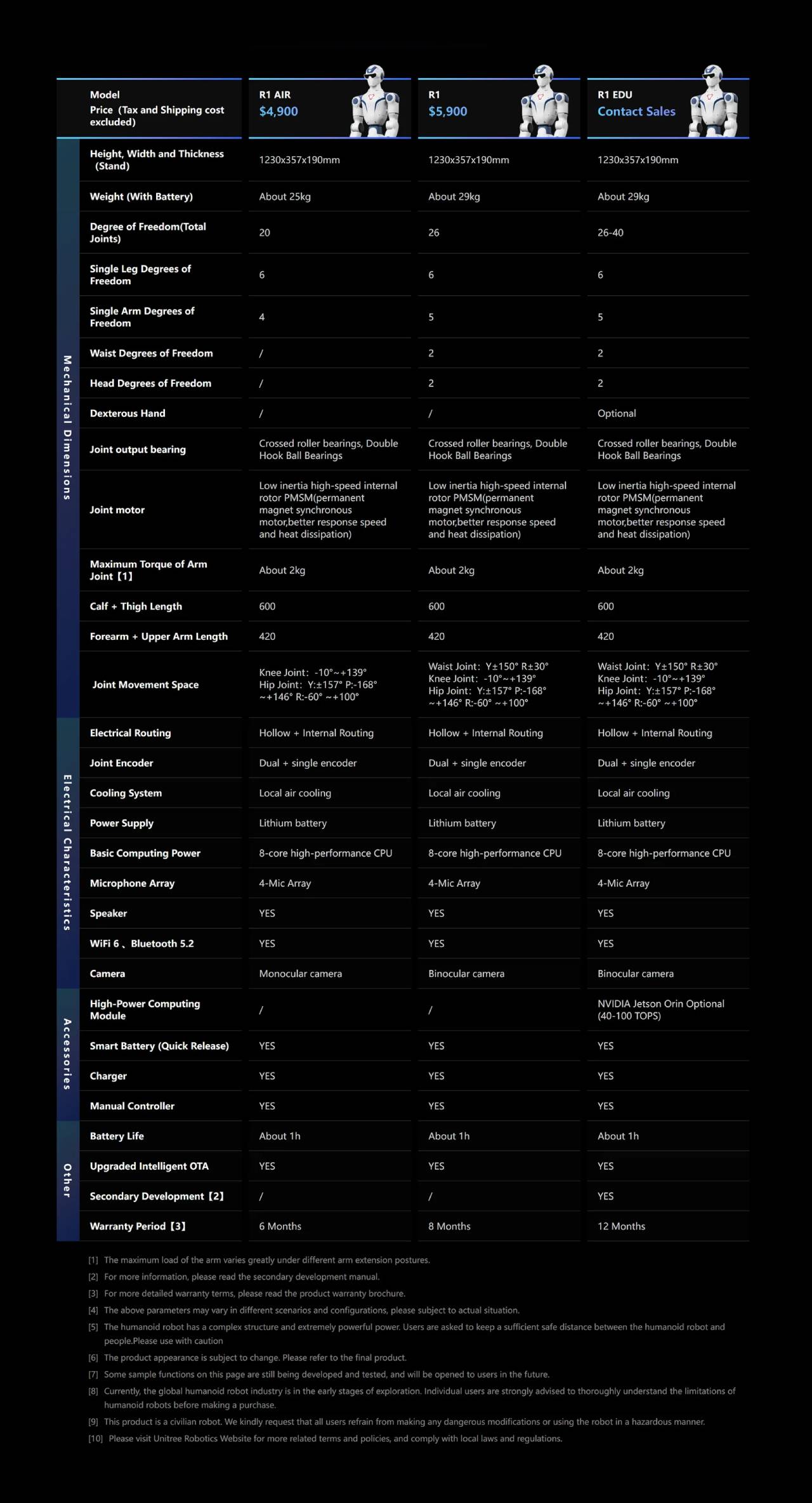
The Unitree R1 Humanoid Robot expands on the Air's foundation with a complete 26-degree-of-freedom architecture: 6-DOF per leg, 5-DOF per arm, a 2-DOF waist, and a 2-DOF head. This configuration enables more expressive whole-body motion, better balance adjustments, and active head tracking for improved environmental awareness. Standing 1230mm tall and weighing about 29kg with battery, it retains the same low-inertia high-speed PMSM joint motors, crossed-roller and double-hook ball bearings, and approximately 2kg arm payload as its siblings. The binocular depth camera provides stereo vision, while the 4-microphone array, speaker, Wi-Fi 6, Bluetooth 5.2, and onboard multimodal large model support rich voice and image interaction. Quick-release battery life is approximately one hour, with continuous OTA updates keeping the platform current.
Relative to the lighter Unitree R1 Air (20-DOF, monocular camera, no waist or head joints, ~27kg), the standard R1 adds the articulated waist and head plus an extra degree of freedom in each arm and stereo depth perception. These upgrades significantly improve flexibility and sensing capability while keeping the same overall footprint and core locomotion performance. Users who need more natural posture control, head movement for camera orientation, or depth sensing will find the standard R1 the better match. It remains a locked platform without secondary development support, just like the Air.
In contrast to the Unitree R1 EDU, the standard R1 does not offer open secondary development interfaces, optional dexterous hands, or high-power compute modules such as the NVIDIA Jetson Orin. It is designed as a capable, ready-to-operate humanoid rather than a fully programmable research platform. All three versions share identical standing dimensions (1230×357×190 mm), joint technology, cooling, encoders, and battery system, so the choice comes down to degrees of freedom, sensing, and development needs. The standard R1 strikes an excellent balance for most advanced demonstration and applied research scenarios.


Downloads